


With their vibrant hues and inviting appearance, the macarons are much more than simple treats, they are little gems of the world of pastry. The flavours of the macarons can vary; the version we present to you today is the lemon one: a timeless classic that always wins everyone over. The macarons bring joy, are perfect for any occasion and can turn a simple moment into a feast for the palate.
Making them is an art, savouring them an emotion. Let yourself be tempted by these little masterpieces of pastry!
Ingredients for the macarons
- 165 g white almond flour
- 165 g icing sugar
- 150 g caster sugar
- 37 g water
- 55 g egg white at room temperature
- 55 g strawberry puree
- Food colouring (for the best result we recommend using several colours)
To make the Italian meringue:
- 125 g egg whites
- 250 g sugar
- 50 ml water
Ingredients to make the macaron filling
For the filling, we suggest you prepare the lemon namelaka:
- 100 g fresh whole milk
- Grated zest of 2 lemons
- 30 g glucose syrup
- 4 g gelatine sheets
- 200 g fresh cream
- 180 g white chocolate
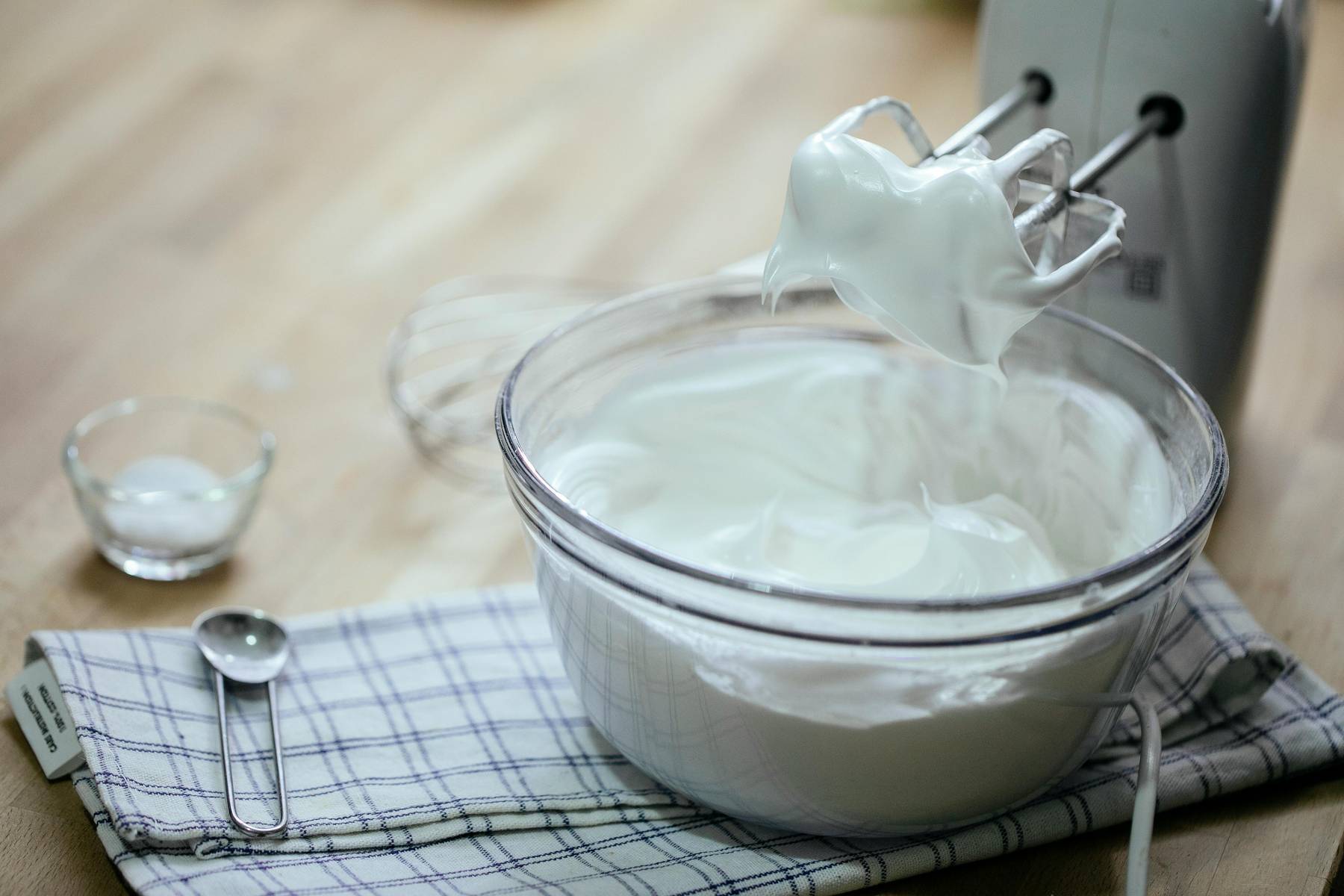
Now let's prepare an Italian meringue.
- Pour the sugar and water into a deep saucepan: cook over low heat.
- Using a food thermometer, check the temperature: it must reach 121°C. While you wait for the temperature to rise, prepare the egg whites in a bowl.
- When the syrup reaches 114°C, whip the egg whites until stiff (for convenience we recommend using an electric whisk).
- When the temperature of the syrup has reached 121°C, lower the speed of the whisk and pour half the syrup into the stiffly whipped egg whites, then pour in the rest in a thin stream, increasing the speed again. At this stage it is important not to deflate the egg whites!
- Keep whipping until the meringue has cooled: it should be glossy and light.
Now go back to the mixture you prepared earlier.
- In three additions, fold the Italian meringue into the strawberry mixture. When the mixture is smooth and well combined, add a few drops of red food colouring.
- Use a piping bag to pipe the mixture into the silicone macaron mould and leave to dry for a couple of hours at room temperature.
- Bake the macarons at 140°C for 10–15 minutes.
To make the filling, we leave you our blog article dedicated to namelaka! A velvety Japanese cream similar to chocolate mousse (we also leave you our mousse recipe as an alternative).
Once the filling is ready, use a piping bag to spread a thin layer of cream. Join the two halves of macarons and your colourful treats are finally ready to be served!

Fun facts
The macarons are typically French sweets, but in fact their origins go back to Italy. It was Catherine de' Medici who, in 1533 on the occasion of her marriage to the Duke of Orléans, Henry II of France, commissioned an Italian pastry chef to make this dessert, thereby helping to spread it in France.
At first, the macaron was very similar to an amaretto (an Italian almond macaroon): it was made up of pairs of biscuits (with ground almonds, sugar and egg white), joined by a centre of jam, liqueur or spices. The modern macaron, as we know it today, was defined in 1930 by Pierre Desfontaines at the famous Ladurée patisserie: the pastry chef had the idea of pairing two soft, airy biscuits with a delicious ganache cream. To this day, the Ladurée macarons are among the most renowned and sought-after!
The macaron is regarded as a symbol of French pastry despite its Italian origins, yet its popularity has brought colour to the windows of pastry shops all over the world!
Now that you have entered the fascinating world of macarons, with the recipe in your hands and their history in your heart, it is time to put your culinary art into practice. Make these colourful treats and share with us the joy of watching your masterpieces come to life. We can't wait to admire your creations!

