
Delivery time 48/72 hours (Pre-orders, holidays and islands excluded)
Enter your valid VAT to pay the taxable price

Pastry brushes
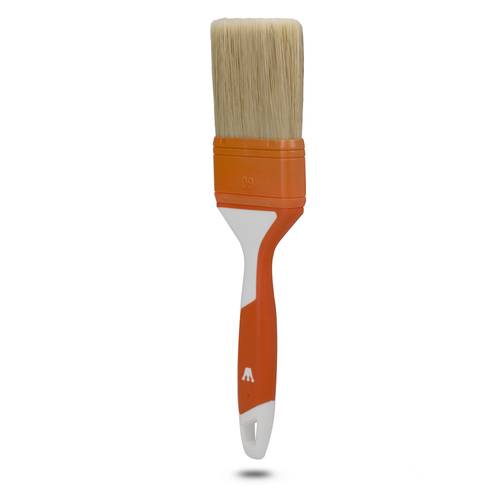
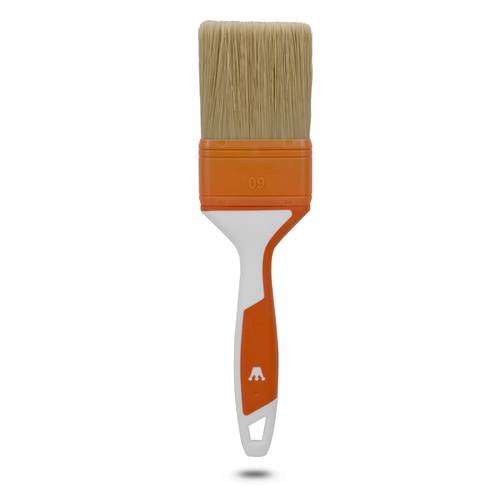
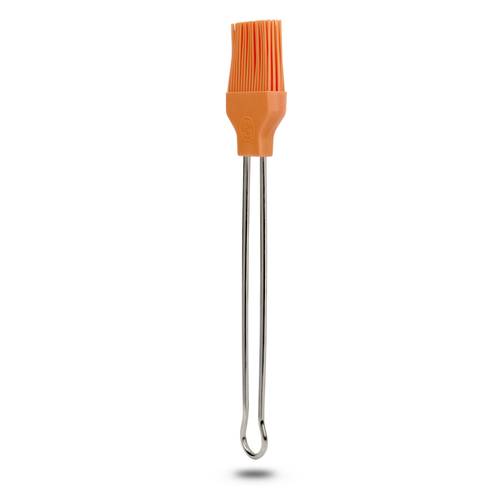
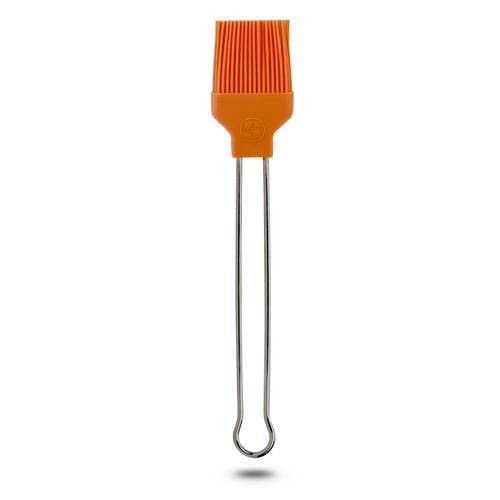
Every cook has their own secret tricks for their recipes. But there is one trick, or rather tool, that many people use and that is crucial to the success of many recipes: the pastry brush.
This often underrated tool is the secret to turning your culinary creations into true works of art. Whether you are an accomplished pastry chef or a cooking enthusiast, the pastry brush is the ally you never knew you had. Tie up your apron, it's time to get started!
FEATURES OF PASTRY BRUSHES
Pastry brushes are very useful in baking for evenly brushing liquids or semi-liquids, such as eggs, butter, oil, and other sauces. In addition, pastry brushes are also perfect for oiling baking moulds and brushing all dishes, sweet and savoury.

Pastry brushes can be made with natural, synthetic, or silicone bristles:
- Natural bristle brushes. If you prefer a brush with soft, flexible bristles, natural bristle brushes may be the right choice for you. They are resistant to moisture and do not release harmful substances on food; however, they require thorough cleaning and may be less hygienic than synthetic bristle brushes because they are more porous.
- Synthetic bristle brushes. Synthetic bristle food brushes are easily washed and consequently much more hygienic than natural bristle brushes. Synthetic fibres are heat resistant up to +230°C and do not absorb food odours and flavours.
- Silicone brushes. Silicone brushes are the best with regard to heat resistance from ovens and hobs; they are also more durable than natural bristle brushes and require minimal care. However, they are not suitable for every use — for example, they are not suitable for brushing pastries with very liquid compounds, such as eggs, because silicone, not being porous, tends to let the mixture drip and does not guarantee an even result.
Before choosing your pastry brush, consider your needs carefully: the choice of brush size and shape depends on this. For example, you may need a small brush for making very detailed decorations and a larger brush for spreading sauces on large surfaces.
CLEANING AND MAINTENANCE OF PASTRY BRUSHES
To clean and maintain pastry brushes in good condition, it is important to follow some simple rules. Here are some tips for cleaning and maintaining your brushes:
- Remove all food residue. After using the brush, remove food residue from the bristles with a damp cloth or paper towels.
- Wash the bristles. Wash the brush bristles with soap and water. If you are using a brush with natural bristles, we recommend using mild soap, such as Marseille soap or baby shampoo.
- Rinse the bristles well. Rinse the brush thoroughly under running water to remove soap and food residue.

- Dry the bristles. If the brush has natural bristles, dab it on a kitchen towel to remove excess water, then let the brush dry horizontally, resting on a flat surface, so that the bristles do not warp.
- Periodic cleaning. For deeper cleaning, you can use a solution of water and white vinegar or 99% alcohol. Fill an atomiser with the solution, spray on the bristles of the brush and leave for a few minutes. Then, gently wipe the bristles with a clean cloth or paper towel and allow to dry horizontally.
Following these simple steps will keep your pastry brushes clean and in excellent condition for extended use. Remember that regular maintenance of your pastry brushes is essential to ensure their durability and to maintain a hygienic and safe kitchen environment.
THE INDISPENSABLE ALLY IN THE KITCHEN
In conclusion, the choice of pastry brush depends on the specific needs of each cook and pastry chef. Whether you prefer a natural, synthetic, or silicone bristle brush, remember that a good pastry brush can make all the difference in the success of your culinary creations.
