
Delivery time 48/72 hours (Pre-orders, holidays and islands excluded)
Enter your valid VAT to pay the taxable price

Kitchen Thermometers
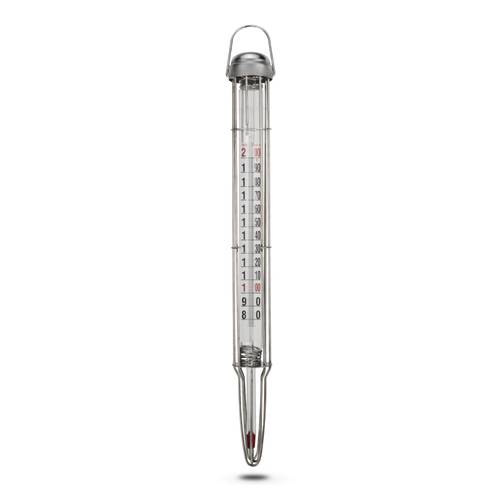
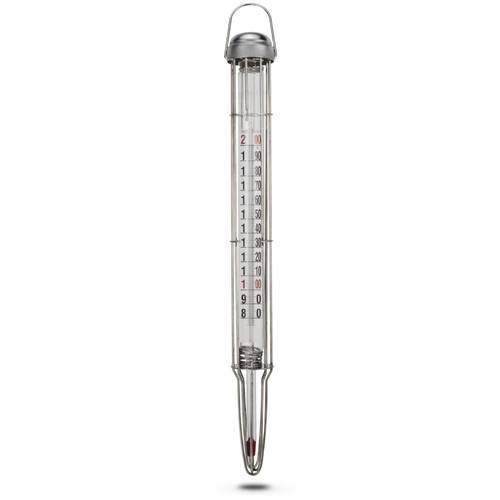
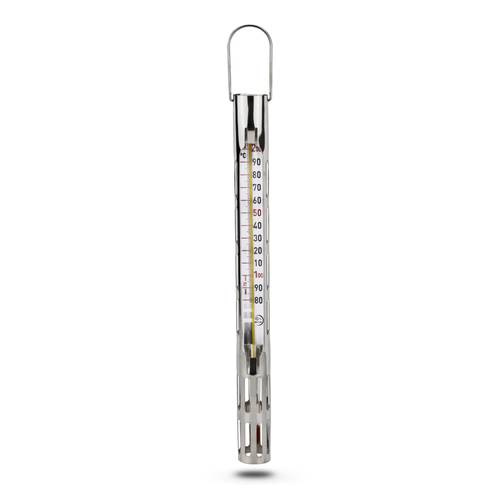
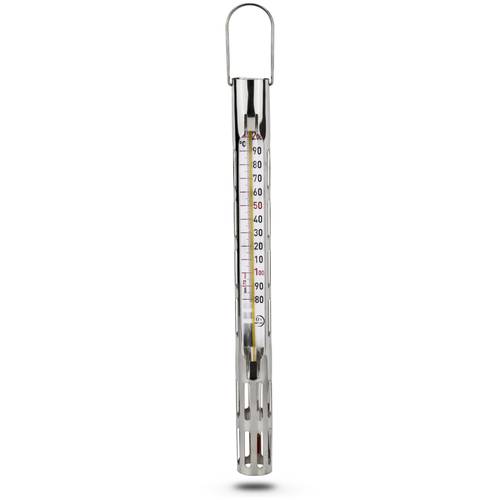
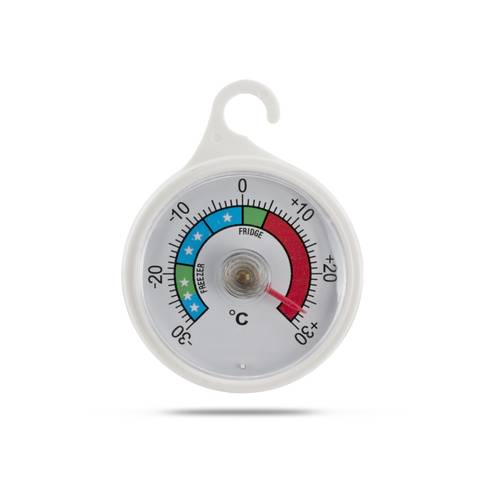
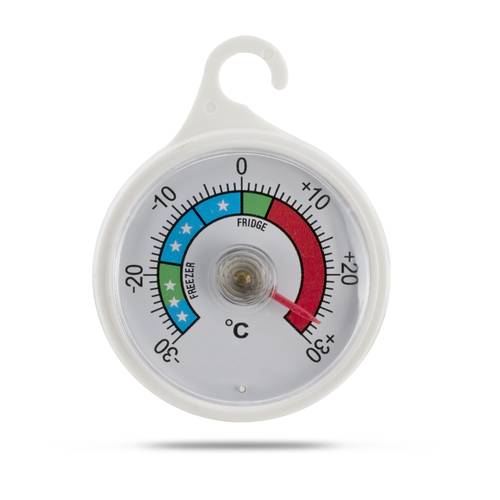
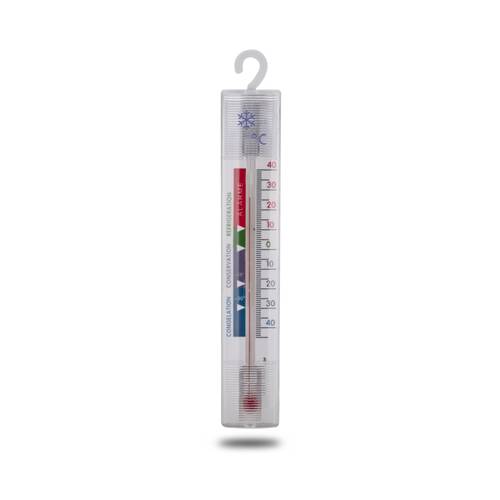
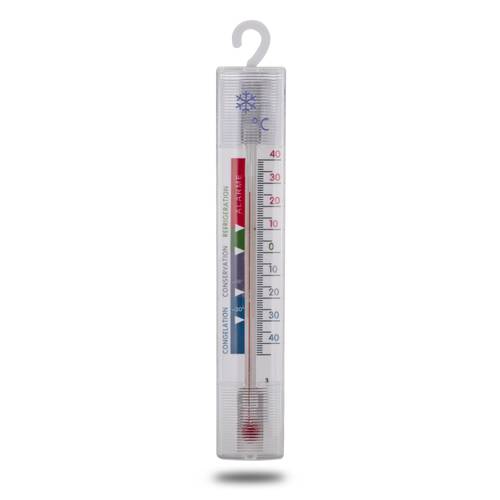
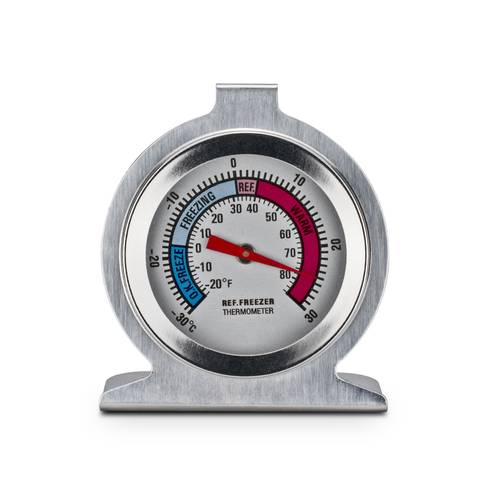
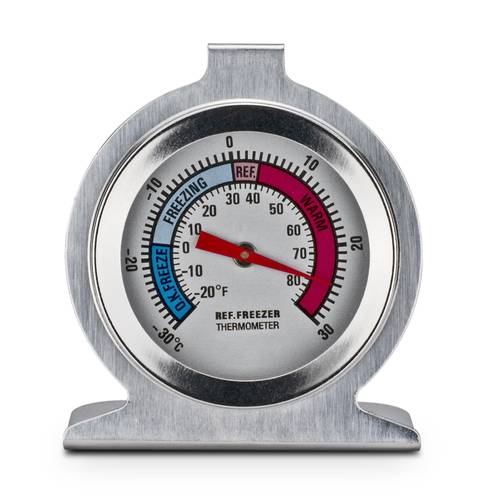
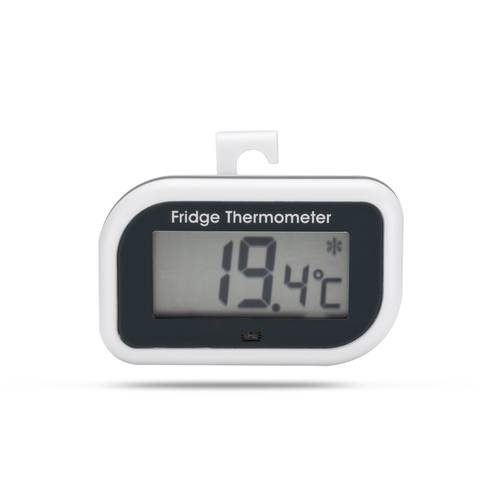
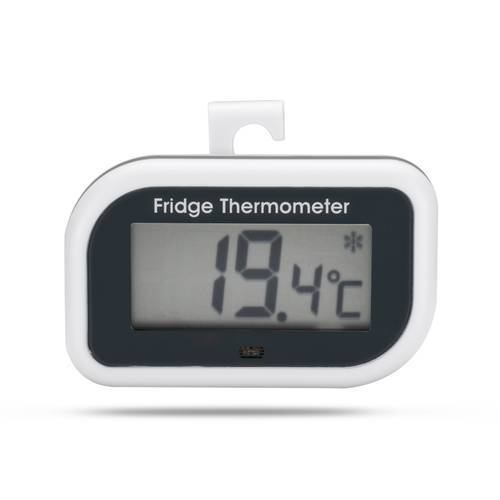
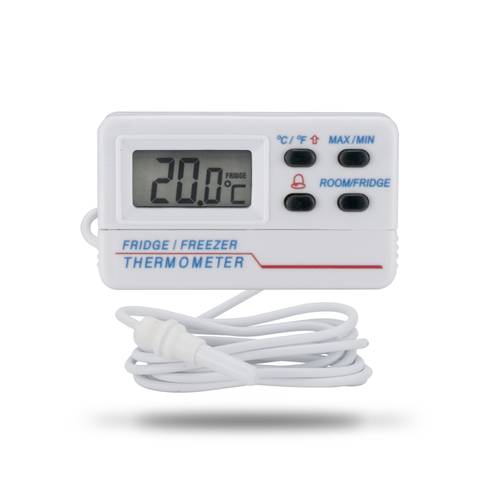
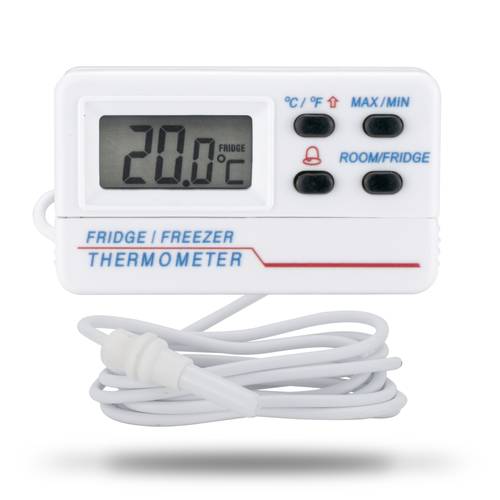
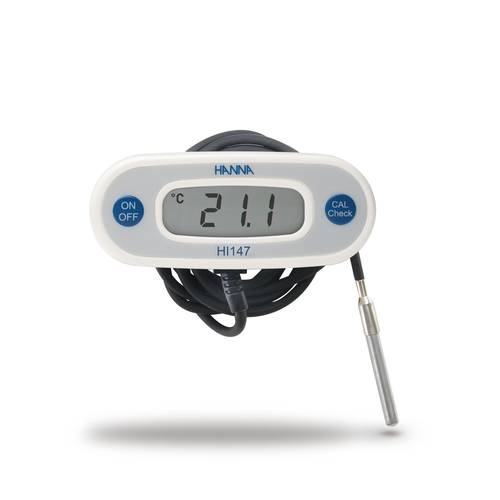
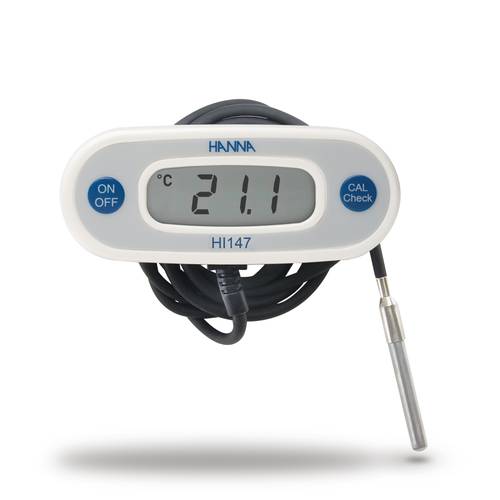
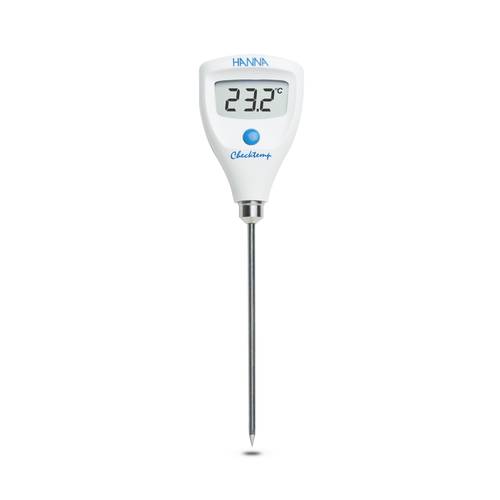
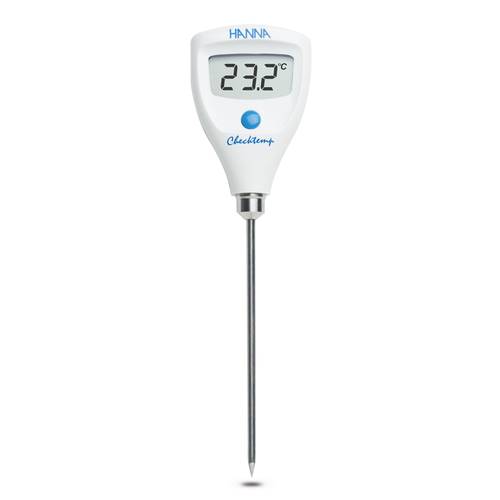
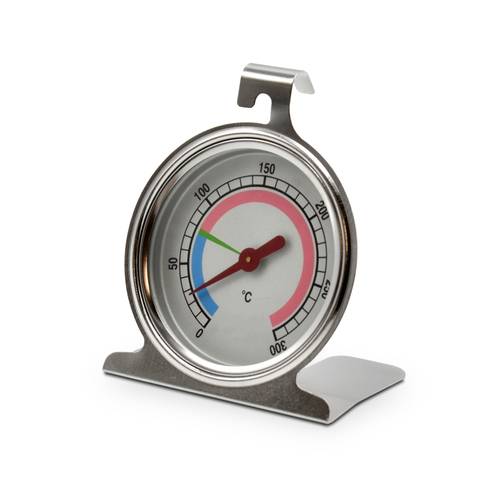
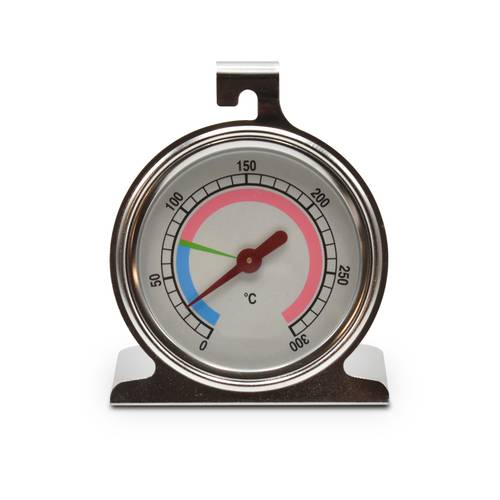
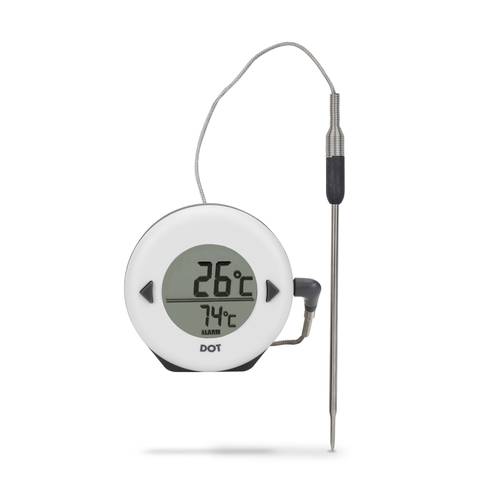
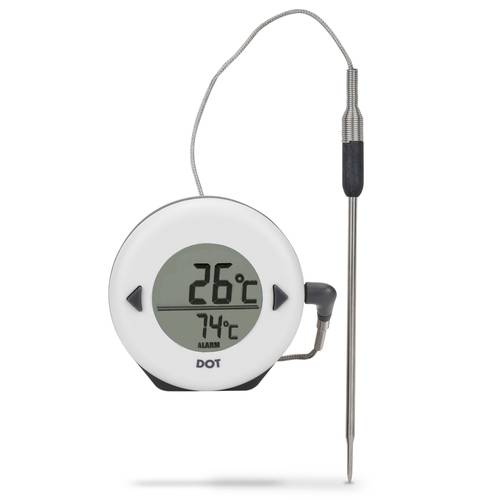
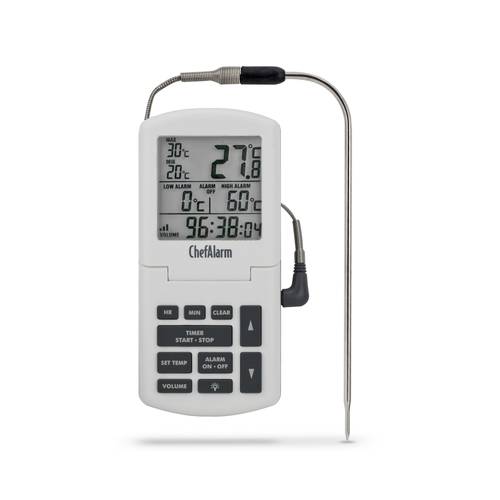
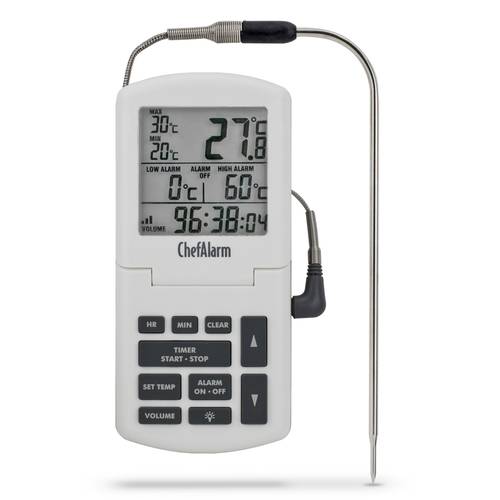
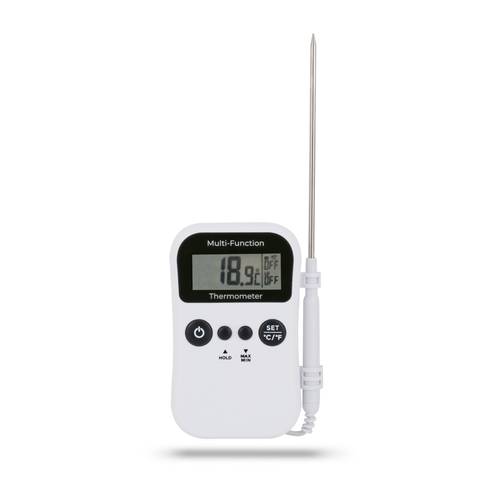
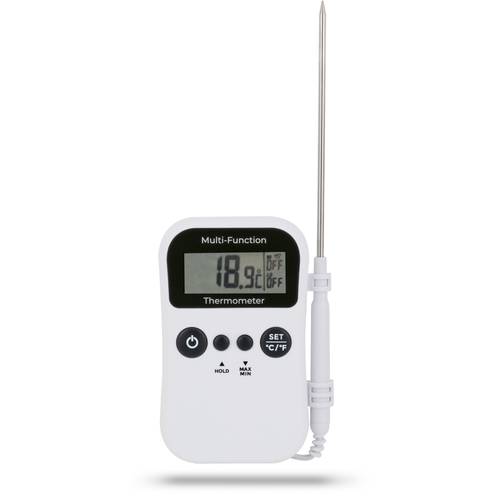
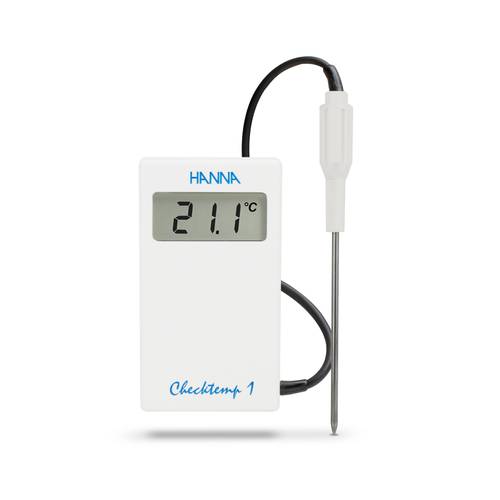
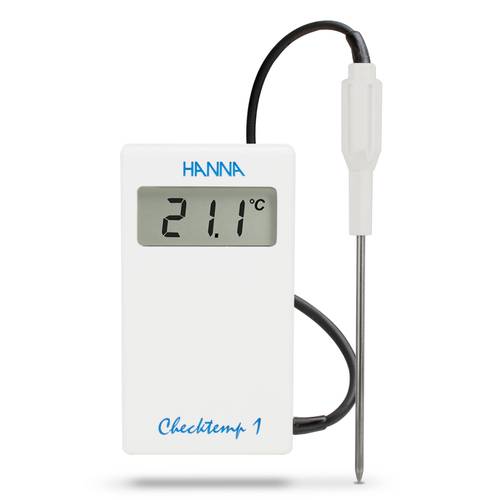
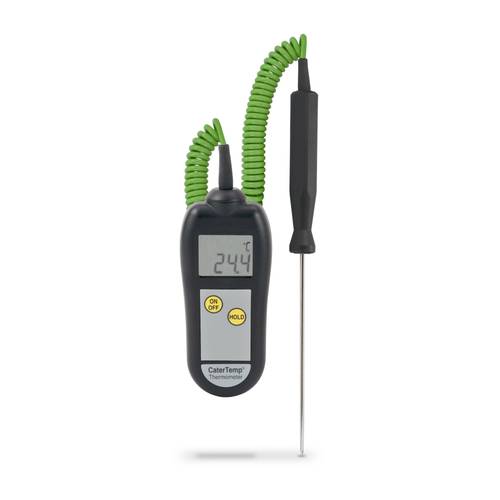
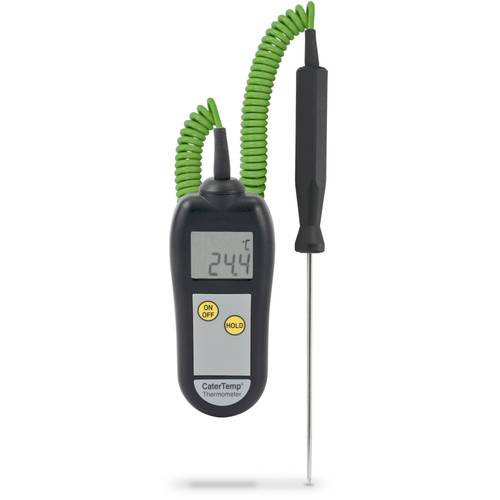
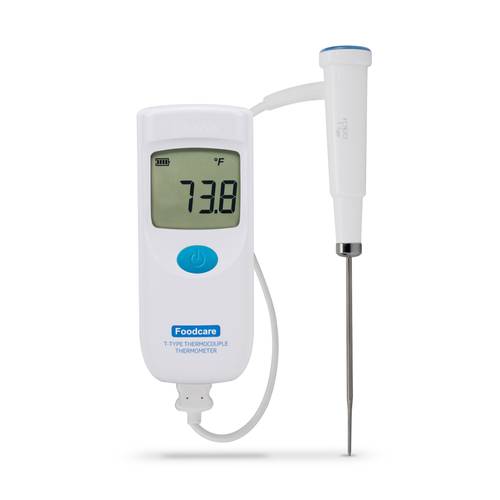
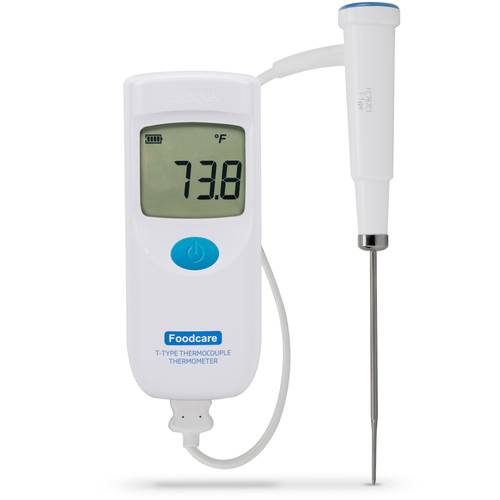
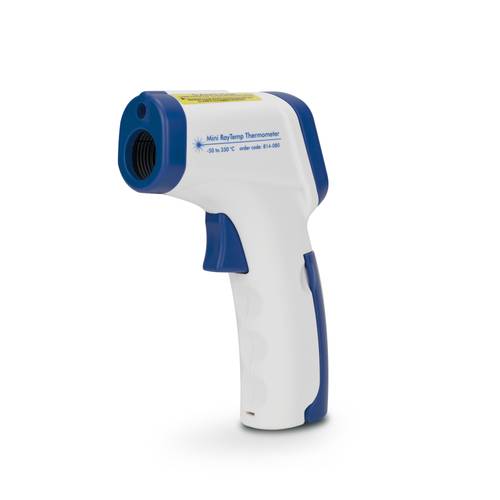
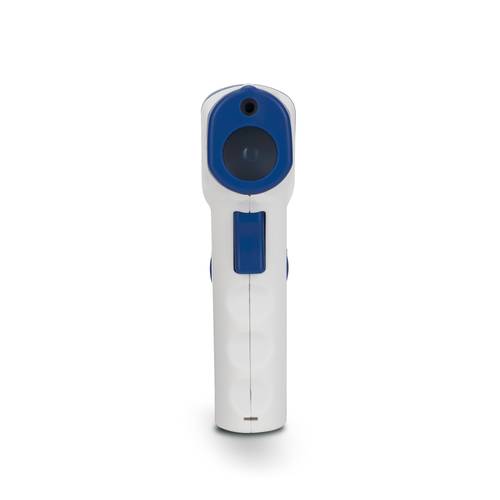
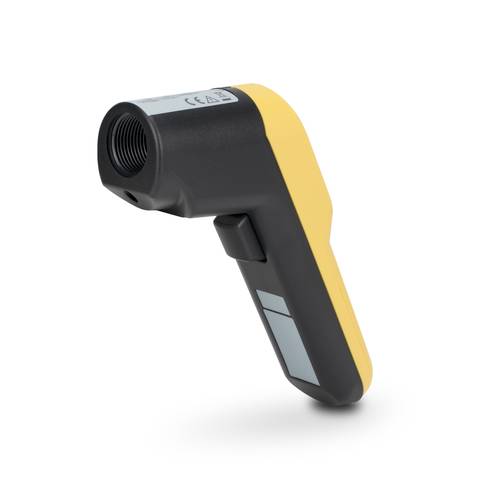
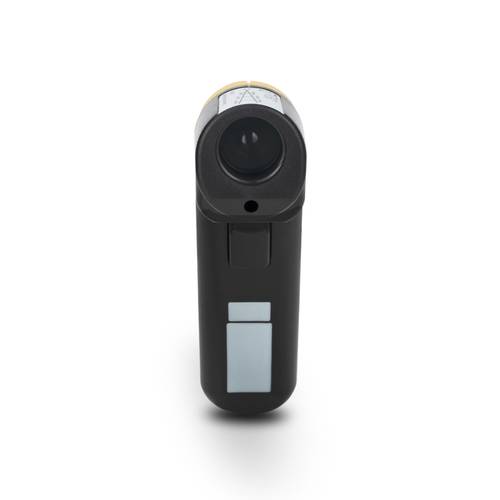
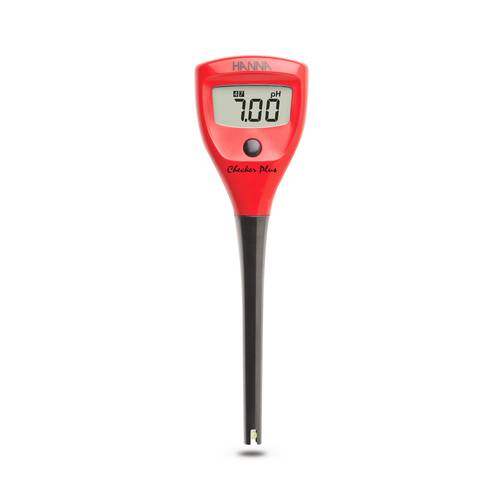
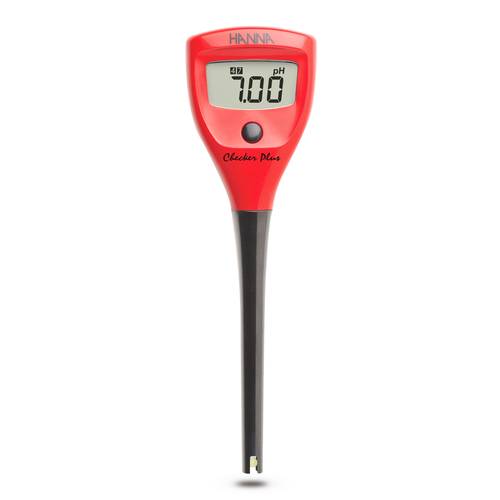
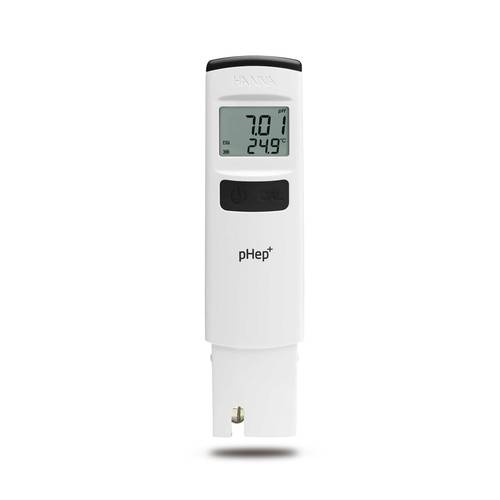
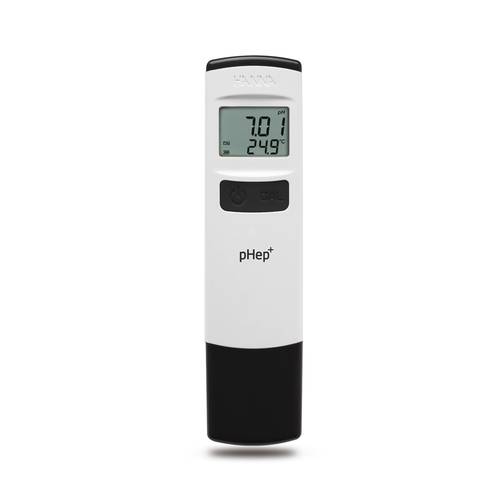
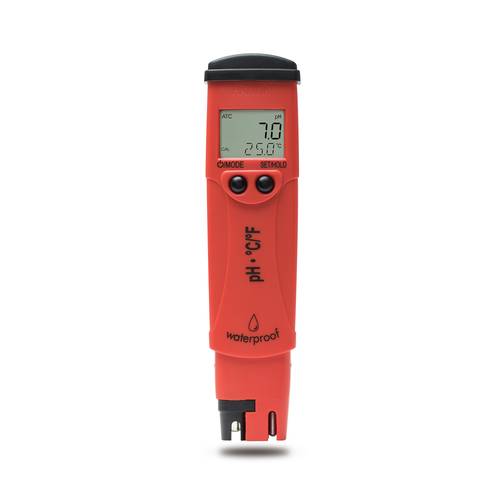
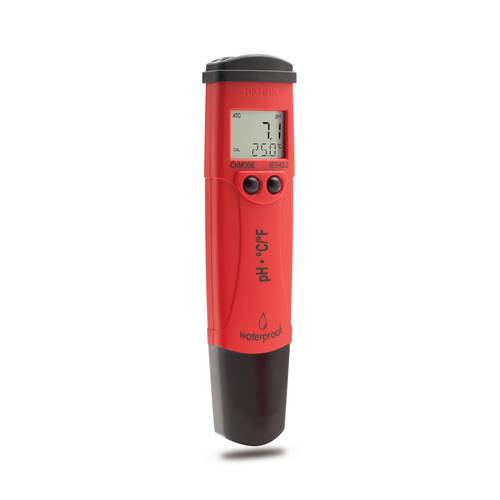
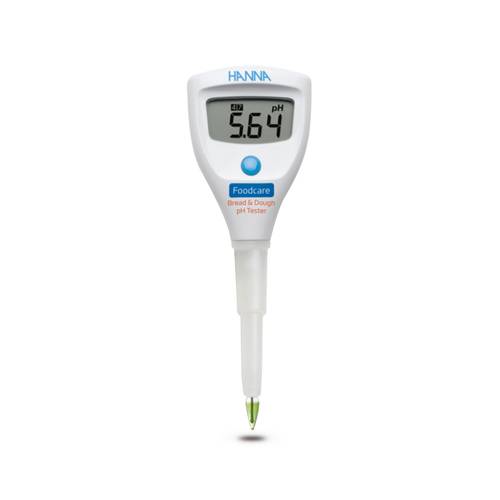
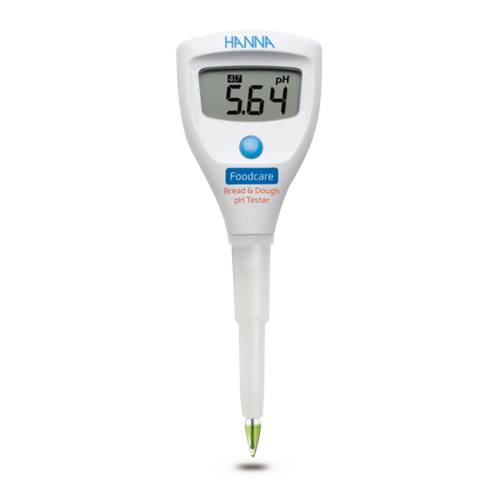
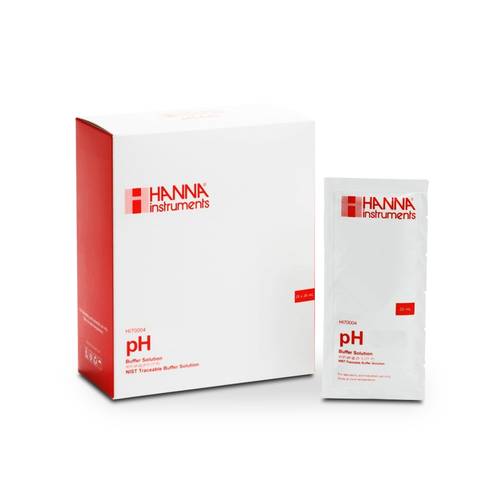
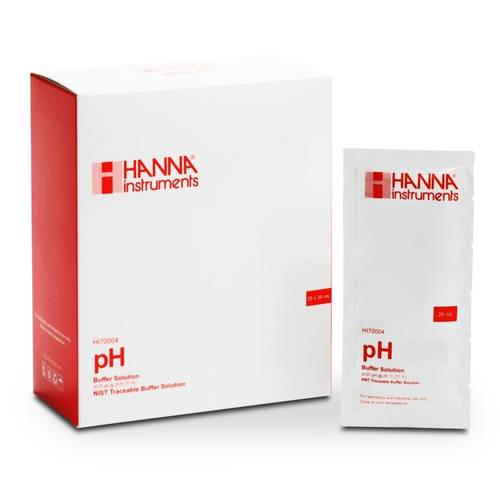
Many types of kitchen thermometers can be found on the market: from refrigerator thermometers to oven thermometers, to food thermometers such as the candy thermometer or pH meter. Kitchen thermometers are used to monitor the temperature of the refrigerator or oven so that food storage and cooking are not compromised: they will help protect you and your customers from potential food contamination. Food thermometers are especially useful for recipes that require precise temperatures during preparation, such as making caramel or tempering chocolate.
TYPES OF KITCHEN THERMOMETERS
The fridge thermometers can be digital or analog and are used to monitor the internal temperature of the refrigerator and/or freezer. It is important to keep food at an optimal temperature, usually 4.4 degrees Celsius or less, to make sure it stays fresh and free of bacteria.Although many refrigerators have built-in thermometers, an external thermometer is also recommended, especially in large kitchens such as those in restaurants or bakeries. Some external thermometers for the refrigerator have two sensors that allow both the refrigerator and freezer to be monitored wirelessly at the same time. In addition, they may have audible alerts that signal when the temperature rises or falls from the set temperatures.

The oven thermometers are used to measure the temperature inside the oven in order to get a more accurate reading of the internal temperature. These thermometers can be analog or digital and can be placed inside the oven since they are designed to withstand high temperatures. Some thermometers come with a clip or stand that allows them to be placed on the rack or hung on the oven door. Oven thermometers are an essential tool for ensuring that food is cooked to the correct temperature, which is important for food safety and achieving the desired results.
FOOD THERMOMETERS
There are several types of food thermometers intended for more or less general uses. Probe kitchen thermometers can be used for grilling, on the stove, in the oven, or on a smoker and are used to measure the internal temperature of food, particularly meat, to ensure that it is cooked properly and safely. Probe thermometers are inserted into the thickest part of the meat to ensure a precise and accurate reading, guaranteeing optimal cooking and reducing the risk of foodborne illness. Some food thermometers have a wire probe that can be inserted into the food and left in place during cooking, allowing the temperature to be monitored without opening the oven or grill.

The food pH meter can be used to measure the amount of acidity in a food using a numerical scale between 1 and 14: specifically, it measures the activity of hydrogen ions in water-based solutions, indicating their acidity or alkalinity. A food pH meter allows for accurate monitoring of minute changes in the pH value of the product during the fermentation process and is used, for example, in the production of beer or sourdough: this instrument is essential in the preparation of food for commercial use. Monitoring the pH of food during production is critical to producing safe, high-quality food. To measure the pH of a food product, electrodes are used as probes: they are immersed in test solutions and kept in them long enough for the hydrogen ions present in the solution to interact with the pH electrode. Temperature can affect pH readings, so the pH meter must be calibrated at the same temperature as the samples to be tested.

There are thermometers for specific foods on the market, such as the candy thermometer. The candy thermometer is long and narrow and can be useful for measuring the temperature of boiling sugar, oil, sauces and syrups. It is similar to a meat thermometer, but can read higher temperatures, usually 400 °F / 204 °C or more. Candy thermometers can be analogue or digital and come with a clip that attaches to the pot, allowing you to leave the thermometer in the liquid and keep the temperature under control. With this thermometer you can prevent the caramel from burning — which often happens when caramelising sugar without the right tools — and achieve a perfect caramel for your desserts.
If you have any questions, we are at your disposal: we will help you choose the perfect food thermometer for your needs and your kitchen.
